A Live Webinar Event:
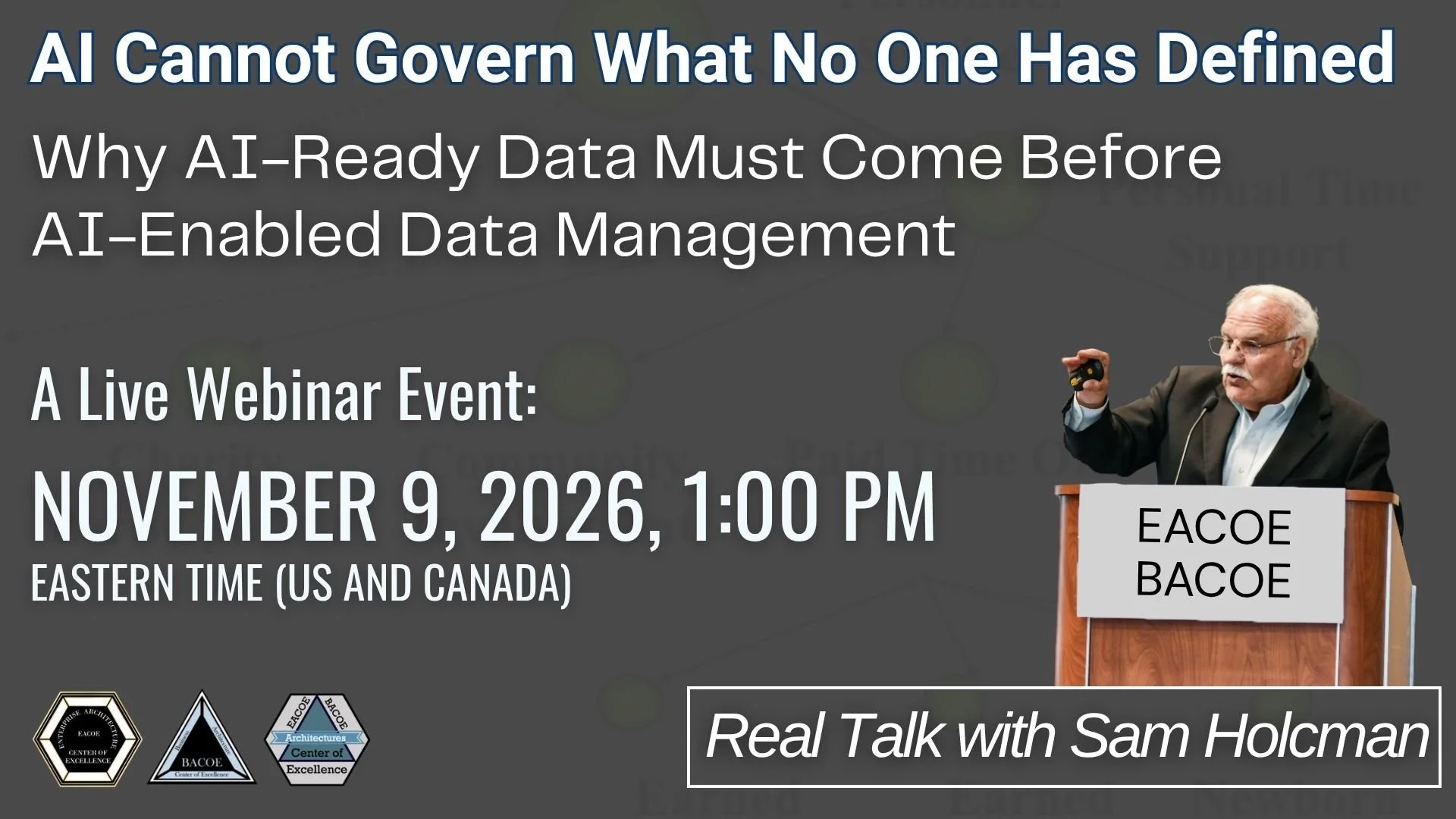
AI Cannot Govern What No One Has Defined
Why AI-Ready Data Must Come Before AI-Enabled Data Management
Join Sam Holcman live as we discuss why organizations do not fail at AI for lack of data, but because they never turned that data into defined, governed, trustworthy information.
Executive Summary
A September 2026 CIO.com article, “How CIOs use AI to better manage data lifecycles,” captures a question that many executives are now asking:
if AI needs high-quality data, can AI itself be used to produce that data?
The article cites Gartner research indicating that 63 percent of organizations either do not have, or are unsure whether they have, the right data management practices for AI, and that organizations will abandon 60 percent of AI projects unsupported by AI-ready data. It then presents a set of senior practitioners from Volvo Cars, Harvey Nash, Sanofi, AOP Health, the DP World Tour, and Freshworks describing where AI is, and is not, helping them manage data.
The cited article identifies the right problem. It does not, however, resolve it. This webinar and supplemental research paper from the Architectures of Excellence (ACOE™) make three arguments:
First,
Data and information are not the same thing
Second,
The cited article’s central recommendation is circular
Third,
The missing element is a method
The conclusion for CIOs and business leaders is direct.
AI can be a powerful accelerator of data and information management. It is not a substitute for it.
The sequence matters: business purpose and governance first, defined and managed information second, controlled AI assistance third, and human validation throughout.
What You'll Discover:
Join this live session to discover why your Enterprise Architecture and Business Architecture roadmap is quietly built on the handful of projects that survived, and how to recover the failure record that would have told you the truth.
Why Data Is Not Information.
Data is recorded values, documents, and transactions. Information is data that has been defined, related, and placed in a business context. Organizations do not fail at AI because they lack data. They fail because they never made that conversion.
What Successful Organizations Did First
Gartner research indicates organizations will abandon 60 percent of AI projects unsupported by AI-ready data. Learn what the practitioners who are succeeding have in common: human-owned curation, definition, permissioning, and review that were built before AI was applied.
The Circular Logic Trap
"AI needs good data, so use AI to get good data" sounds reasonable until you look closely. See why a probabilistic system cannot set the meaning, ownership, and quality thresholds its own outputs must be judged against.
The Method: Meaning First, Then Mechanics
Walk through the AI-Ready Data sequence: define what matters to the business in an ontology, forward engineer it into governed data models, deliver it through a Data Distribution Center™, and only then apply AI under accountable human review.
This webinar and supplemental report address four structural arguments:
First, data and information are not the same thing. Data is data: recorded values, symbols, signals, documents, and transactions. Information is processed data: data that has been organized, defined, related to other data, and placed in a business context so that it means something for a purpose. The cited article uses the two terms interchangeably, and that slippage hides the real work. Organizations do not fail at AI because they lack data. They fail because they have not converted their data into governed, defined, trustworthy information.
Second, the cited article’s central recommendation is circular. Its logic can be reduced to two sentences: AI needs good data, so use AI to get good data. A probabilistic system cannot establish the authoritative meaning, ownership, and quality thresholds against which its own outputs must be judged. Without a defined reference point of truth, AI applied to unmanaged data does not produce AI-ready data. It produces faster, larger, and more convincing versions of the original problem. The practitioners quoted in the article confirm this: every one of them who is succeeding with AI in data management is doing so on top of an existing, human-owned discipline of curation, definition, permissioning, or governance.
Third, the missing element is a method. The AI-Ready Data book, AI-Ready Data: What Leaders Must Get Right Before AI Works, and the AI-Ready Data Master Class supply that method. They teach organizations to start with meaning and then move to mechanics: define the things of interest to the business in an ontology, forward engineer that meaning into technology-neutral data models and governed data assets, organize delivery through a Data Distribution Center™, and only then apply AI to accelerate bounded data-management tasks under accountable human review.
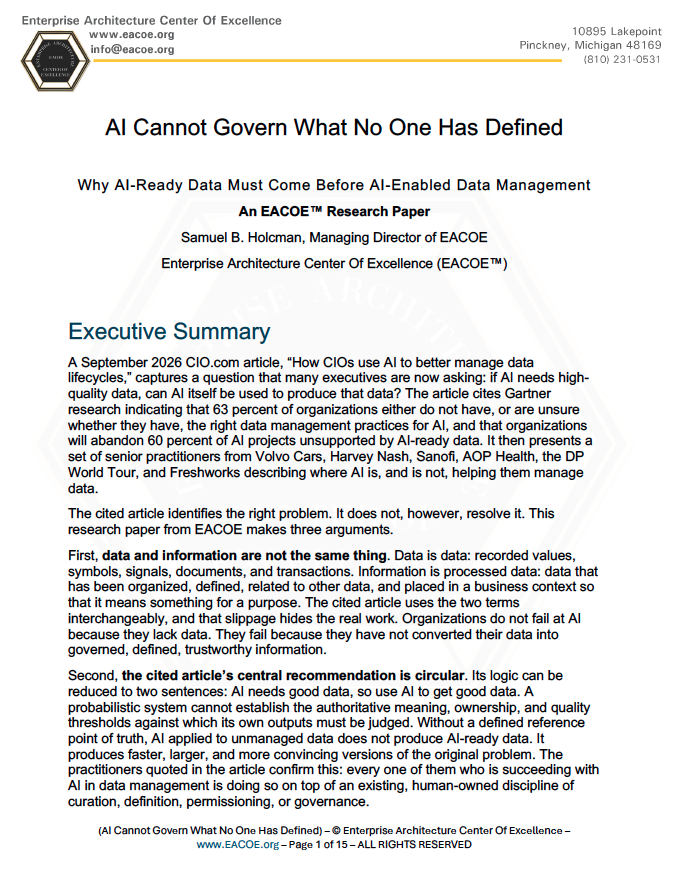
Get the full research report sent to your email when you sign up for the webinar.
Core Thesis:
AI can help improve data management, but it cannot take responsibility for your organization’s definitions, ownership, or decision rights. Those foundations must be established by accountable people.
“AI needs good data, so use AI to get good data.”
That recommendation skips an essential question: Who decides what “good” means? If business units disagree about “customer,” “active,” or “approved,” an AI-generated answer does not resolve the disagreement.
Why AI-Ready Data Must Come Before AI-Enabled Data Management
We will discuss:
The difference between data and information, and why it matters for AI.
The business meaning and governance that must come before AI assistance.
The complementary enterprise architecture and business architecture perspectives.
Ten questions to help assess whether your organization has the necessary foundation.
This is not about rejecting AI. It is about using AI where it adds speed without removing accountability.
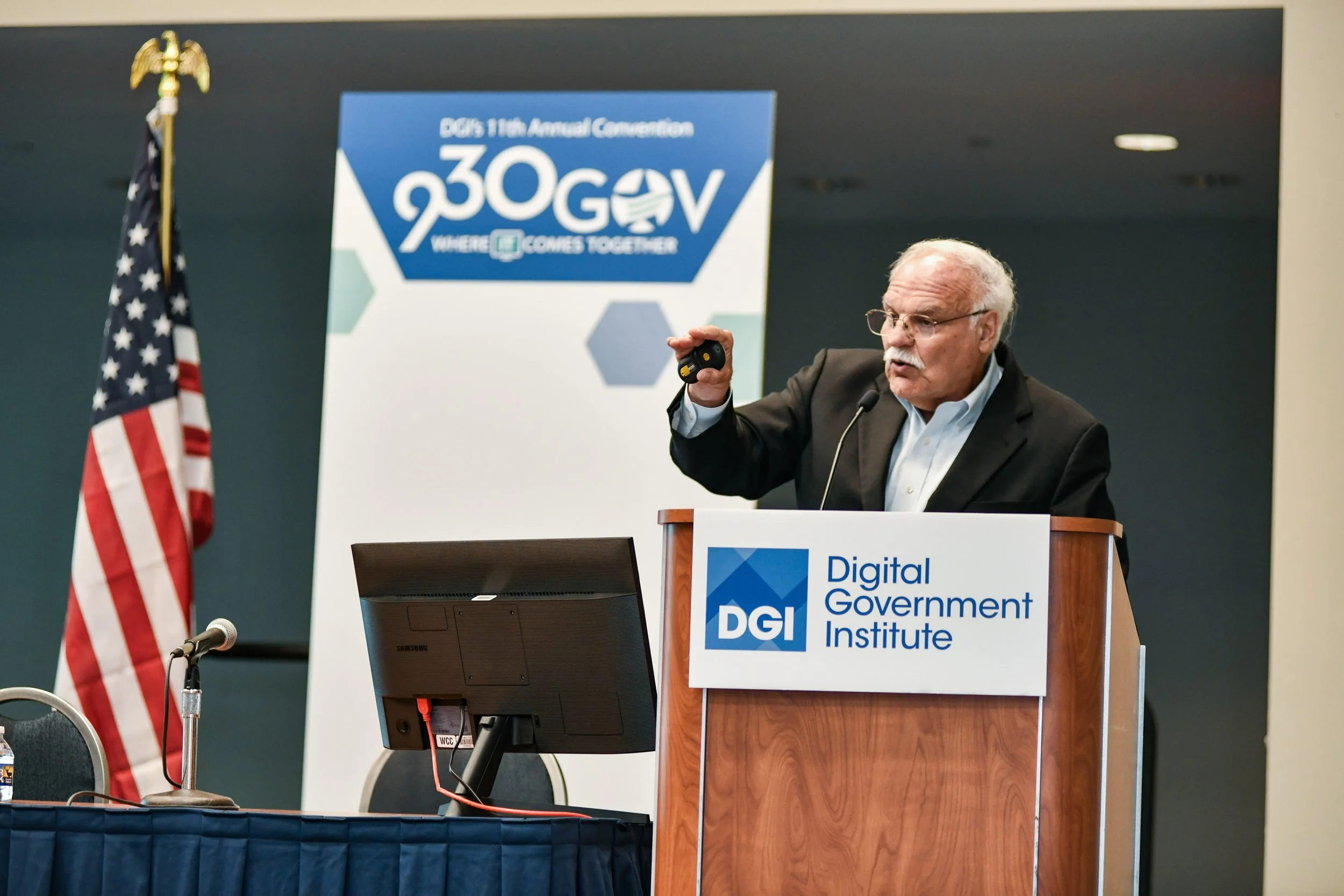
SAMUEL B. (Sam) HOLCMAN is the Chairman of the Architectures Center Of Excellence, the Managing Director of the Enterprise Architecture Center Of Excellence (EACOE), and the Business Architecture Center Of Excellence (BACOE), and the President of the Zachman Institute for Framework Advancement (ZIFA). He is considered the practitioners practitioner in Enterprise Architecture and Business Architecture, and the leading implementer and world-wide educator and trainer in Enterprise Architecture and Business Architecture methodologies and techniques.
The Architecture Center Of Excellence (ACOE) provide its clients with innovative, yet practical solutions to a range of business and systems related challenges and activities. He was the Vice President of Modelware, Methodologies, and BPE (Business Process Engineering) for a major software company. Prior to this experience, Mr. Holcman was the Founder and President of Computer and Engineering Consultants, Ltd. His interests include consulting and research on topics such as enabling business strategies, enterprise architecture, business architecture, business process engineering, intellectual capital management, organization development, system methodologies and life cycles, corporate business modeling, and accelerated analysis techniques.
About The Speaker:
Samuel Holcman Biography
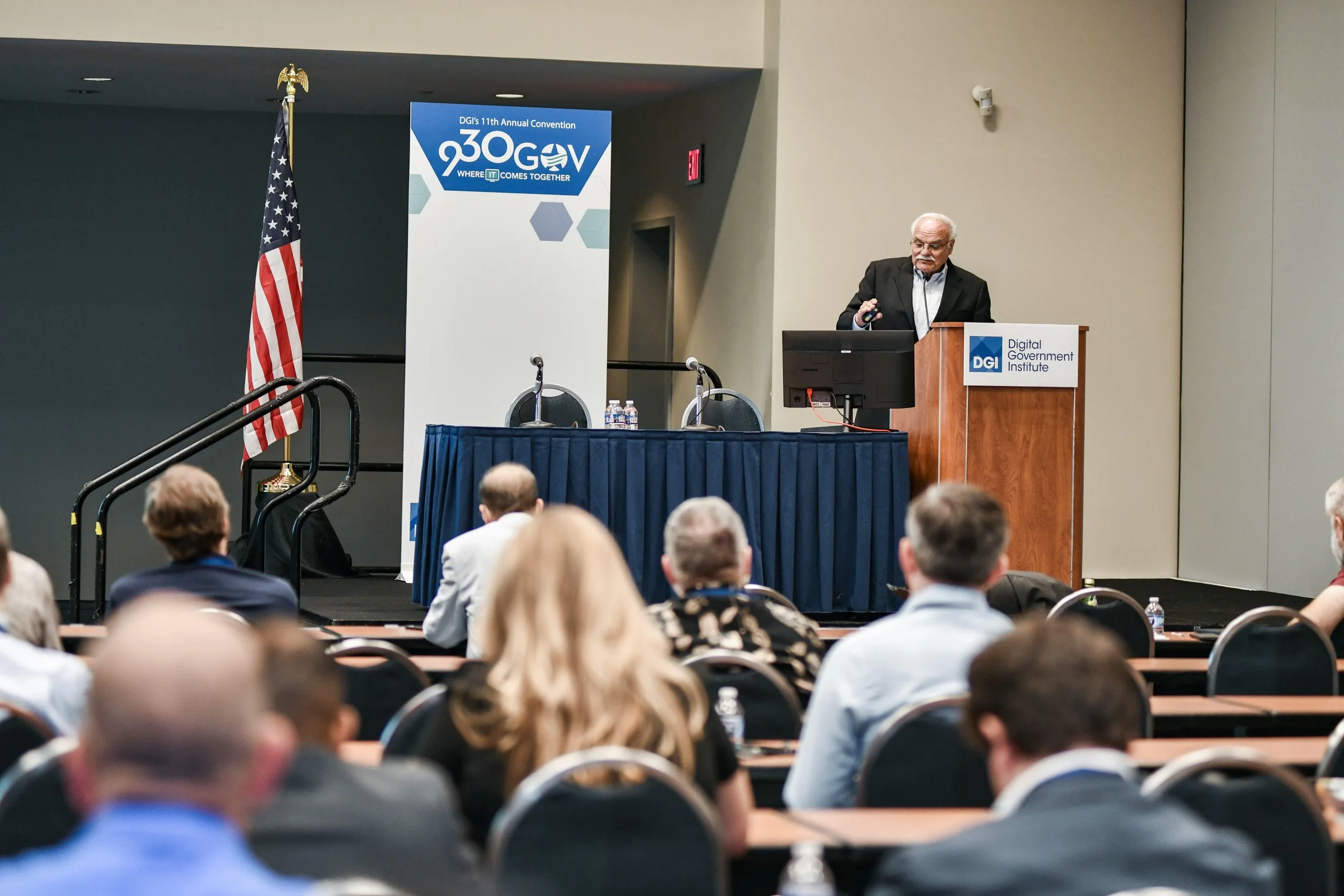
Mr. Holcman conceptualized and constructed a unique look at system development methodologies, which resulted in the highly regarded ForeSight TM methodology and methodology management product.
He has developed a strategic planning process that is used by many Fortune 500 companies and is the co-developer of the widely used accelerated analysis (JAD-like) technique known as Rapid Analysis. He has also developed an innovative approach to Business Process Re-Engineering known as Business Process Visualization TM and Organization Network Analysis TM.
These techniques are being used to Unlock the Hidden Assets in your Organization SM.
In association with Mr. John Zachman, he formed The Zachman Institute for Framework Advancement (ZIFA), to explore, explain, and share the concepts of enterprise architecture. Sam has also focused on understanding the value and management of Intellectual Capital to enterprises. He has developed the Intellectual Capital Maturity Model TM to provide guidance on how effectively organizations are managing their Intellectual Capital, and steps they can take to more effectively manage this capital, and the Enterprise Architecture Maturity Model, and the Business Architecture Maturity Model, to provide guidance to organizations seeking to improve their understanding and implementation of Enterprise Architecture and Business Architecture concepts.
He has developed and published works on Cooperatively Optimized Relationships (COR), which is the next generation of understandings in the field of Customer Relationship Management (CRM). To better understand an organizations “DNA”, Sam led the development of The Enterprise Framework TM and The Business Architecture Framework TM. Both have received worldwide acclaim for their understandability, and usability, while maintaining theoretical purity.
He published the book titled “Reaching the Pinnacle – a Methodology of Business Understanding, Technology Planning, and Change” and “Enterprise Architecture – A Pragmatic Guide of Practitioners and Stakeholders”. These books bring a method to the marketing madness that surrounds Enterprise Architecture, and its straightforward and no-nonsense style sheds much light on a poorly understood topic. The book helps business executives and technology professionals through the process of building an Enterprise Architecture appropriate to their organization’s needs. Mr. Holcman published the book titled “Business Architecture, The enabler of Business Strategy”. Holcman presents a no-nonsense, direct, and easy-to-follow approach to Business Architecture. This makes it particularly useful for those looking for actionable insights. The book is described as "a book of action, not surveys or choices – moving from theory to strategy enablement". This practical orientation can be valuable for new architects or professionals seeking to apply Business Architecture concepts in real-world scenarios. It provides a thorough treatment of Business Architecture, covering topics from establishing and maturing a Business Architecture practice to actually developing a human-consumable Business Architecture. The Business Architecture process presented is both theoretically sound and refined through actual practice. The methodologies have been tested and proven in real business environments.
Holcman emphasizes that Business Architecture helps the business run better, rather than "architecture for architecture's sake". This aligns well with the needs of business professionals looking to improve their organizations. This book helps organizations move from Strategic Intent to a Business Strategy to Strategy Enablement. The book provides clear, understandable approaches, making it suitable for a wide audience, from business professionals, strategists, and new or practiced Business Architects. The book emphasizes the role of Business Architecture in strategy execution, which may be particularly relevant for those interested in aligning business strategies with technology enablement.
Sam hosts a podcast and webinar broadcast titled Real Talk with Sam Holcman. These broadcasts are about sorting through the internet-driven advice madness that exists in business today, and provide practice-based insights in business transformation, organizational transformation, enterprise architecture, business architecture, and technology transformation, based on real world practices.
Sam was with Ford Motor Company in data processing, finance, and engineering. He was Vice President of a robotics and factory automation firm. He was also a senior member of a technology delegation to the People’s Republic of China, on the invitation of the Chinese and United States Government, and a member of a technology delegation to the Commonwealth of Independent States (Soviet Union).
Sam has a Bachelor’s degree in Bioengineering and Master’s degree in Electrical Engineering, and a Master’s in Business Administration from the University of Michigan, Ann Arbor. He has been elected to Eta Kappa Nu (electrical engineering honors society), and Tau Beta Pi (engineering honors society), and is a member of numerous societies and professional organizations, and is a frequent speaker at seminars around the world.
Business Architecture Center Of Excellence (BACOE)
Enterprise Architecture Center Of Excellence (EACOE)
- Copyright © 2026 - All Rights Reserved.